Hotel owners and executives face a familiar set of challenges: revenue that falls short of growth targets, price-driven competition with no clear exit, continuously rising labor costs, and guests choosing competitors simply because they “feel more modern.”
These pressures rarely arise from room quality or location. They trace back to a management structure that has not been realigned to meet current market expectations.
This article outlines a practical approach to managing hotel profitability through a Smart Hotel strategy – one that integrates intelligent hotel robots with systematic cost management to create differentiation that is measurable and sustainable.
Key Challenges in Hotel Management That Impact Profitability
1. When Competing on Price Is No Longer Enough
Many hotels continue to compete by lowering room rates — without a compelling value proposition that motivates guests to choose them regardless of price. Without a strong brand identity, guests switch the moment a better offer appears. This cycle continuously suppresses both revenue and profit margins.
2. Common Area Maintenance: The Silent Monthly Cost
Hotel common areas-including lobbies, elevators, restaurants, and corridors-are the first touchpoints where guests assess service standards, and they are continuously used throughout the day. High traffic frequency demands repeated cleaning cycles, driving up labor costs significantly. Work quality varies by staff experience, and without measurable performance indicators, management cannot evaluate efficiency objectively.
3. Leveraging Technology to Reduce Hotel Operating Costs
Today’s guests expect seamless service delivery, reliable systems, and experiences worth returning for. Hotels that continue operating with traditional management methods — without adopting appropriate technology — risk losing competitiveness on both cost efficiency and brand perception.
The Solution: Smart Hotel Strategy for Managing Hotel Profitability
Becoming a Smart Hotel goes beyond offering high-speed Wi-Fi or online booking. It means restructuring operations to be systematic, measurable, and capable of delivering experiences that exceed standard expectations.
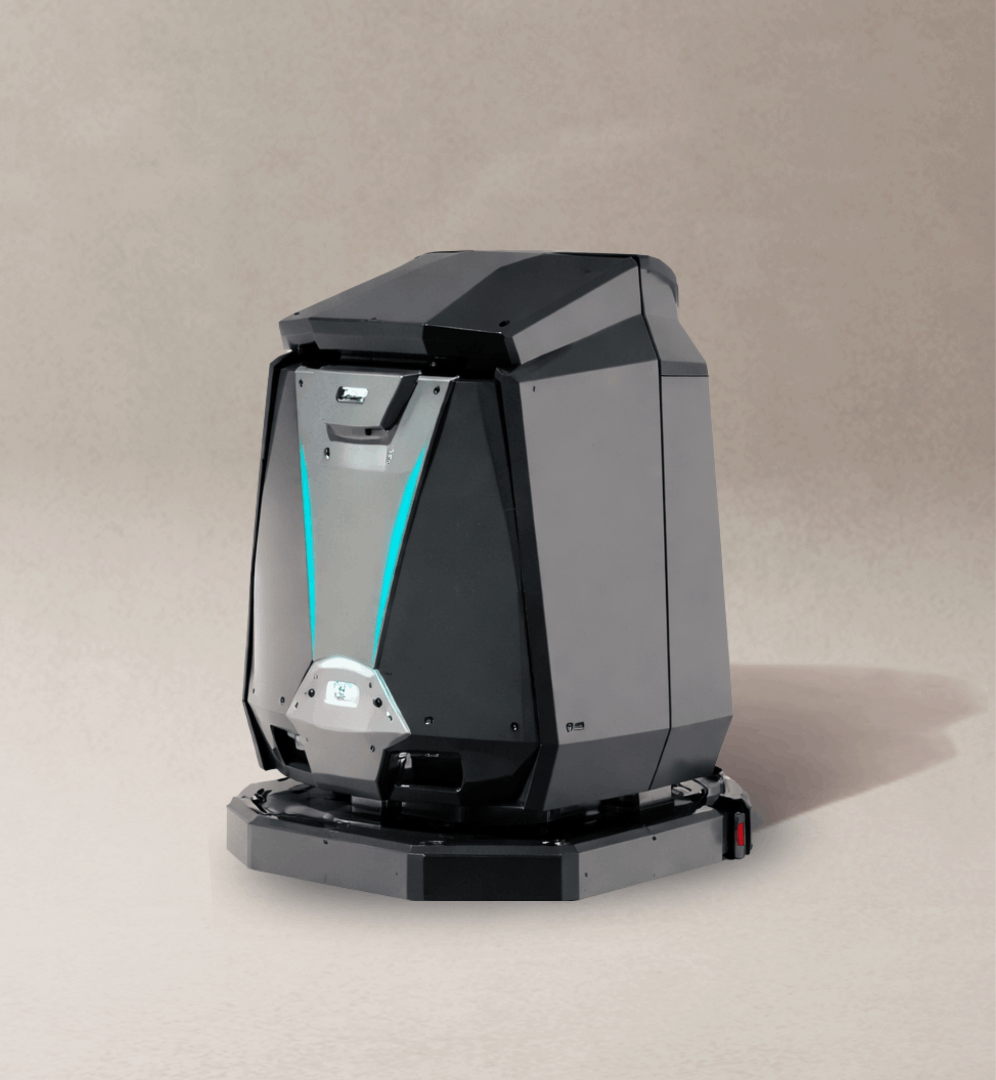
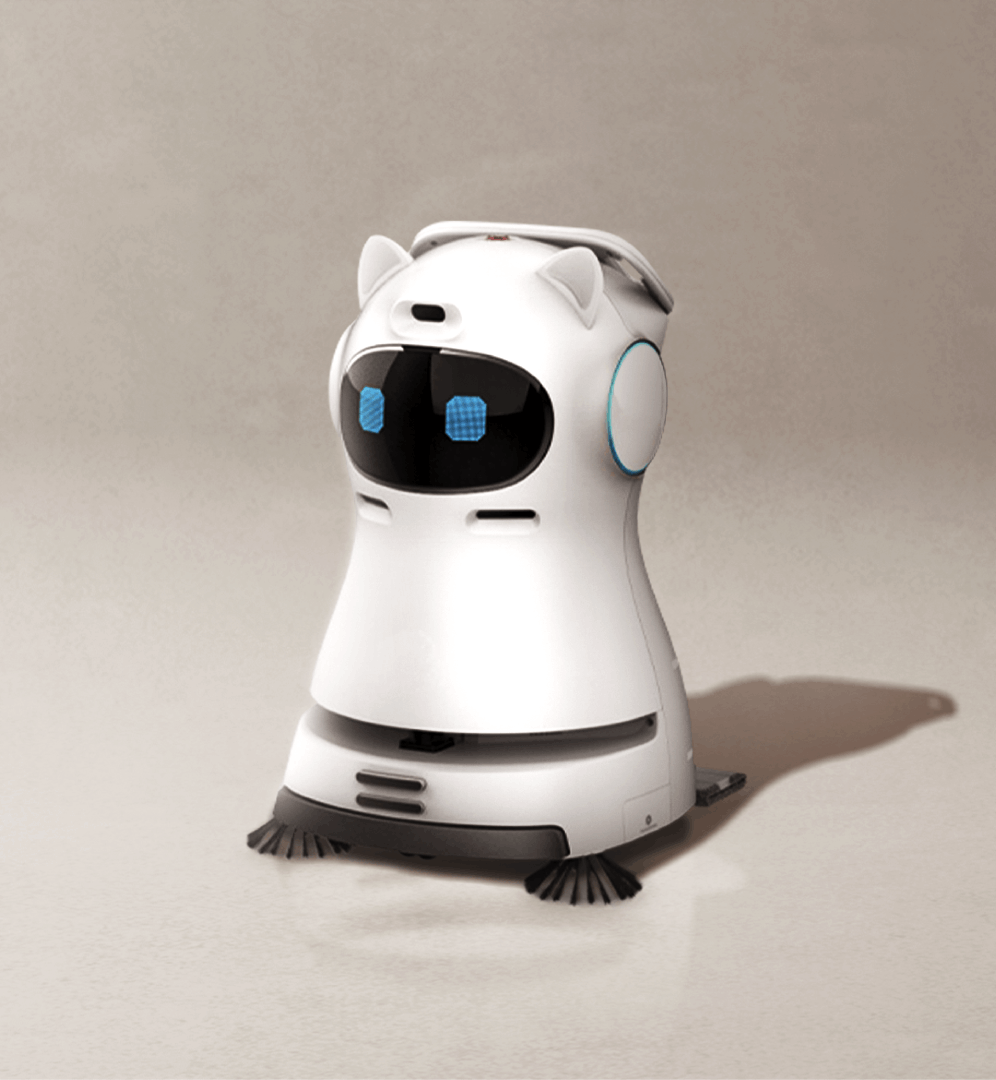
The most tangible tool driving this strategy is the intelligent hotel robot — both cleaning robots that maintain common areas consistently, and delivery robots that enhance the in-room service experience. Together, these systems reduce hotel operating costs systematically while strengthening a modern, distinctive brand image.
Intelligent Hotel Robots: A New Strategy for Managing Hotel Profitability
Systematic, Predictable Cost Reduction
Rather than increasing headcount to manage common areas that require repeated attention throughout the day, cleaning robots operate on automated schedules across defined zones — lobbies, elevator halls, restaurants, and conference areas — ensuring consistent cleanliness without redundant labor dependency.
For hotels of all sizes, this approach makes budget management more flexible and predictable, while freeing staff to focus on high-value guest service interactions.
Building Smart Hotel Identity Through Differentiation
When guests observe cleaning robots operating systematically in the lobby — or a delivery robot arriving promptly at their door — the immediate impression is of a hotel that prioritizes standards and invests in modern technology.
These details elevate brand perception and clearly differentiate the property from competitors.
Cleaning robots ensure consistent maintenance of common areas throughout the day, reducing variability in work quality and reinforcing guest confidence in hygiene standards – from the lobby and corridors to elevator halls.
Delivery robots enhance the service experience by bringing towels, food, beverages, and essentials directly to guest rooms — with speed and privacy — reducing wait times and signaling a brand that prioritizes guest convenience at every touchpoint.
Transparency, Traceability, and Data-Driven Management
Hotel robots record detailed operational data, including task duration, serviced zones, and frequency of operations. This enables management to monitor performance in real time and make strategic decisions based on concrete data, moving from assumption-based to evidence-based management.
Recommended Applications for Hotel Robots in Smart Hotel Operations
Cleaning robots – best suited for areas requiring consistent, continuous cleanliness: lobbies, corridors, and elevator halls on every floor.
Delivery robots – ideal for direct in-room delivery of towels, food, beverages, and essentials, reducing staff workload while improving service speed.
What to Consider Before Investing in Hotel Robots
Q1: For Boutique Hotels with Limited Staff
For smaller properties with lean teams, hotel robots manage common areas and deliver continuous guest services around the clock — without requiring additional night-shift headcount. This directly controls fixed labor costs while establishing a differentiated Smart Hotel identity that stands apart within the same market segment.
Q2: For Large Hotels
In hotels with large common areas, hotel robots significantly reduce repetitive housekeeping workloads — allowing staff to focus on deep cleaning in guest rooms where human attention matters most. This also eliminates hidden costs including high staff turnover, recurring training expenses, and night-shift overtime, resulting in more predictable workforce budget management and a stronger foundation for long-term profitability.
Q3: Performance Monitoring
Real-time reporting systems enable executives to track hotel robot performance instantly via mobile or desktop – including coverage maps showing cleaned areas, task completion notifications, and data logs for trend analysis and structured facility management planning
Start Managing Hotel Profitability with Smart Hotel Strategies
Hotels that achieve sustainable growth today are those that control costs effectively, elevate the guest experience, and invest in differentiation before their competitors do.
Intelligent hotel robots address all three – giving your property a measurable competitive advantage from the first year of deployment.
If you are considering transforming your hotel into a Smart Hotel, our team is ready to provide consultation and design solutions tailored specifically to your hotel’s size and objectives.
References :
- Hospitality Net — Smart Hotel Technology Trends: https://www.hospitalitynet.org/news/4105531.html
- Grand View Research — Cleaning Robot Market Analysis: https://www.grandviewresearch.com/industry-analysis/cleaning-robot-market